Cube Clash: Tactical Standoff
Review
Cube Clash: Tactical Standoff succeeds by keeping its focus on strategy over reflexes. The colorful visuals and friendly opponents make it accessible to all ages, while the gear unlock system adds variety across rounds. Positioning is key, and each new arrangement of crates and foes keeps the gameplay fresh. It is a solid choice for casual gamers and families seeking a light challenge.
About
Core Gameplay Loop
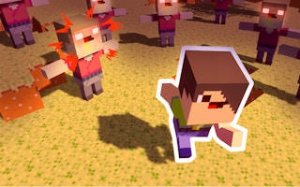
Cube Clash: Tactical Standoff places you in a vibrant arena filled with blocky opponents. Your main task is to survive as long as possible by moving around the map and using items found in special crates. These crates produce harmless bursts of color that clear nearby foes. The challenge comes from deciding when to grab a crate and where to position yourself to avoid being cornered. Each round presents a new arrangement of opponents and crates, so no two attempts feel the same.
Strategic Positioning
Where you stand matters greatly. The map includes walls and open areas that you can use to your advantage. By staying near cover, you can lure groups of opponents into tight spaces before using a crate burst. Planning your route ahead of time helps you stay ahead of the action. The game rewards players who think a few steps ahead rather than reacting on the spot.
Gear Unlocks and Variety
As you play, you unlock new gear that changes how you approach each round. Some gear may let you move faster, while others might give you a bigger burst radius. This progression system encourages repeated play without feeling repetitive. Each new piece of gear adds a fresh twist to the established formula, keeping the experience engaging over time.
Visual Style and Atmosphere
The game uses bright, blocky graphics that create a cheerful and inviting atmosphere. The opponents are designed to look friendly rather than threatening, which makes the game suitable for younger players. The colorful palette and simple shapes help maintain a lighthearted tone even during intense moments. This visual approach supports the family-friendly nature of the experience.
Accessibility and Controls
Controls are straightforward, with basic movement and interaction buttons. New players can learn the ropes within a few minutes. The game does not require complex button combinations or fast reflexes to succeed. Instead, it emphasizes thoughtful positioning and timing. This makes it a good choice for casual players or families looking for a shared activity.





Comments
Sign in to leave a note
You must be logged in before posting a review or rating.
No account? Create one
No comments yet. Be the first to comment!