Ancient Shrine Logic Quest
Review
Ancient Shrine Logic Quest stands out for its well-crafted room designs that encourage genuine exploration rather than linear progression. The resource management element adds meaningful depth without overwhelming the core puzzle experience. The final sequence ties everything together satisfyingly, requiring players to apply everything they have learned. A solid choice for puzzle enthusiasts who appreciate atmosphere and thoughtful challenge.
About
Room-by-Room Puzzle Design
The game presents a sequence of interconnected chambers, each with its own layout and set of interactive elements. Players must examine the environment to identify which objects can be manipulated and how they affect access to adjacent areas. Some rooms contain locked containers that require solving a nearby puzzle to open, while others have hidden switches that reveal new pathways. The spatial arrangement encourages careful observation and methodical movement through the shrine.
Resource Management & Strategic Choices
Throughout the adventure, players encounter helpful figures that can assist in progressing through certain obstacles. Deciding when to use these figures and when to conserve them for later challenges forms a key strategic layer. Each decision affects which routes become available and how easily players can overcome upcoming barriers. This system rewards forward thinking and careful planning rather than impulsive actions.
Visual Atmosphere & Audio Cues
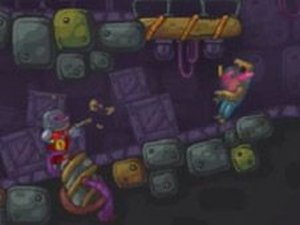
The shrine is rendered with a focus on atmospheric lighting and detailed textures that suggest an ancient, sacred space. Subtle audio cues, such as echoing footsteps and distant environmental sounds, help indicate nearby interactive elements or hidden passages. The visual design uses color and shadow to guide attention without explicit markers, encouraging players to rely on their own observation skills.
Progression & Final Encounter
As players move deeper into the shrine, the puzzles increase in complexity, often combining multiple mechanics in a single room. The final area requires integrating all the skills learned throughout the game: careful observation, strategic resource allocation, and precise timing. Success depends on recognizing patterns in the environment and applying the right combination of actions at the right moment.










Comments
Sign in to leave a note
You must be logged in before posting a review or rating.
No account? Create one
No comments yet. Be the first to comment!